Victim Status in Modern Life
“Victims Aren’t We All?” To me, this question is not just a great quote from one of my all-time favourite films, The Crow (1994), but also a profoundly insightful assessment of how most people, to varying degrees, live out their lives; I include myself among those ranks, too. So much so that this question was originally going to be the title of the book I’m currently working on.
I would imagine that if anyone reading this were to go to their own Facebook timeline, after finishing reading this article, of course, and were to scroll down it, it would not take more than a few seconds to see an example of someone complaining how they have been unfairly treated by either an individual, an organisation, or even society as a whole.
It also almost seems that there is an unconscious competition among the multitude of demographics for claiming the first prize for being the most victimised. Whether it is race, gender, sexuality, or any other group one can identify with, all are proclaiming they have it worse than anyone else. In other words, they are saying, “It’s not my fault, my life sucks”.
Let me make it clear before we go any further, before someone’s head pops due to being offended, that I am in no way saying that any of these groups are not, in fact, victimised. Far from it, every day, there are many thousands of reported crimes occurring, and probably many more which go unreported, and no doubt a great number of these are carried out based upon the victim’s specific characteristics.
However, most crimes are not carried out for these reasons, so the vast majority of victims are merely one of circumstance.
The Psychology of Blame
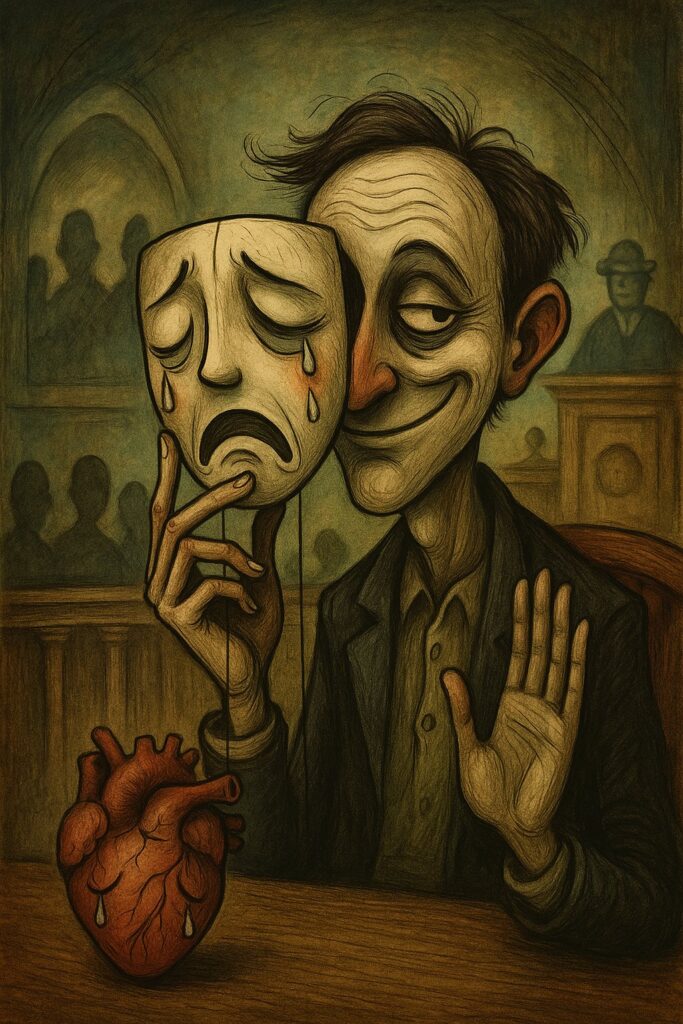
Also, having worked in the past with those incarcerated, I can say with certainty that many, if not most, of these victimisers often cited themselves as being a victim, which they then claim had caused them to carry out their offence. They generally do this with complete sincerity too.
As a therapist working in a health centre for over a decade, I have worked with clients from every walk of life, with numerous and varied complaints and conditions. Without exception, they had someone to blame for why they were this way.
The Hidden Payoffs
The weird thing about being a victim is that it has many payoffs & rewards. I won’t delve into the psychology of explaining why that is in this post, but I’m writing a book that will explore the matter in greater depth.
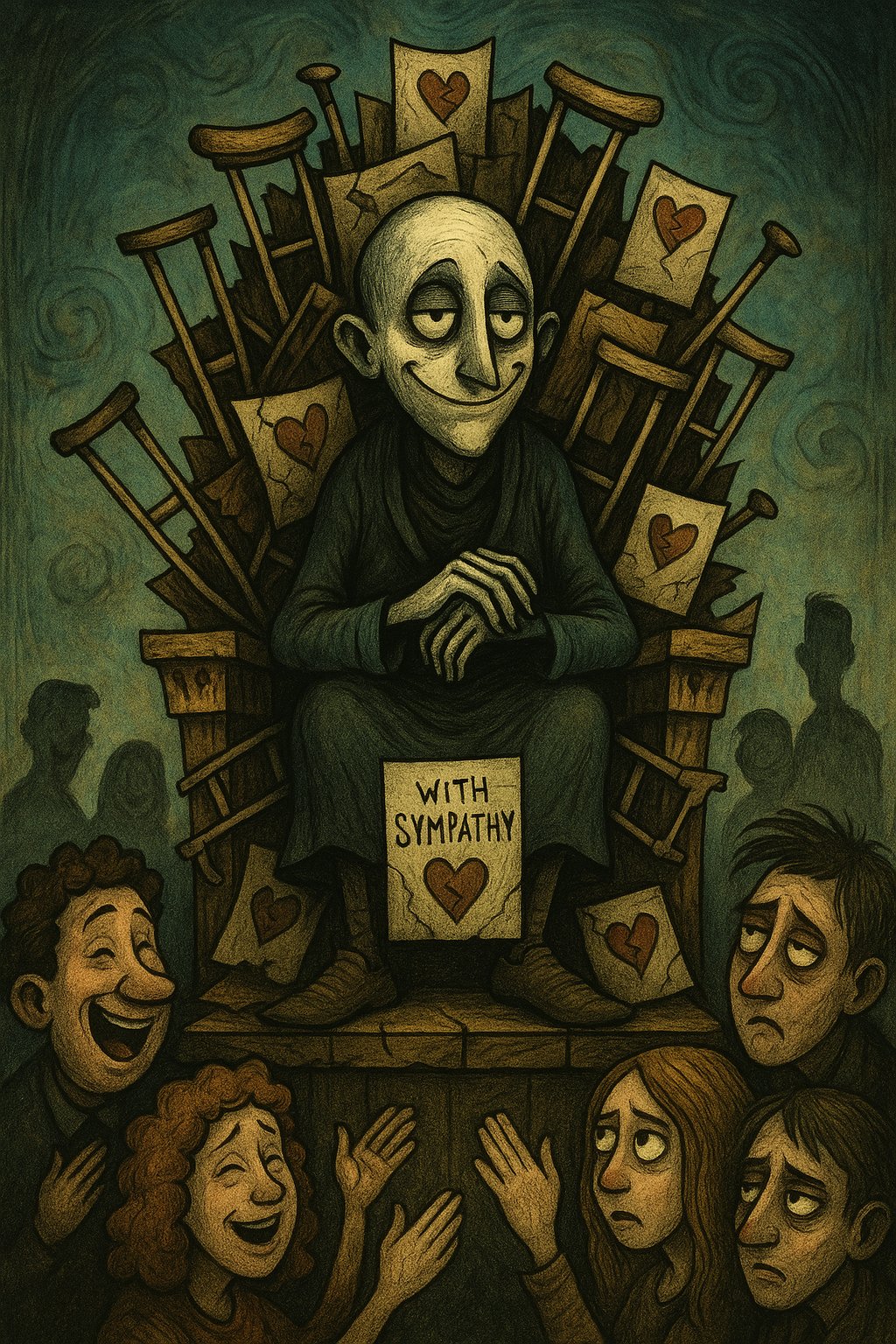
So, here are a few answers: an obvious reward for being a victim is that some people will show them sympathy, empathy, or even offer to help. For a while, they will become the centre of attention & in a strangely masochistic way, feel loved.
Another benefit can be that those with a sense of ethical superiority, I think today referred to by some as “virtue signalers”, will take up the moral sword to fight society’s injustices on behalf of the victim, thus saving them from expending any energy on doing anything about it themselves. In some circumstances, these crusaders are indeed on the side of real justice, but as we often see these days, sometimes it’s merely an ego-massaging demonstration of pomposity.
The strangest reward, in my opinion, is not gained from the outside world, but from within. Paradoxically, the ego, which, as a rule, tries to get us everything we want & desire, often with no regard to the cost, actually gains its own satisfaction from playing a victim, almost as much as it does with its perverse pleasure of being the victimiser of others.
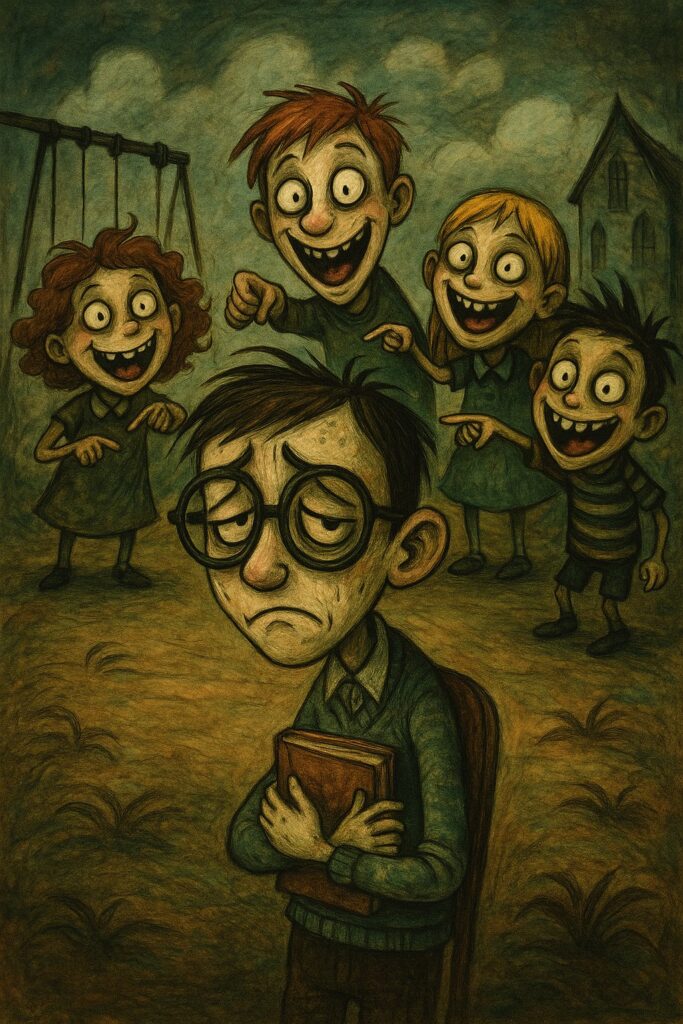
There may be some people reading this now who may want to suggest they have never made someone feel like a victim, and to that, I call B.S.! You may not have abused another person physically, stolen from them, or mentally scarred someone. But I guarantee that at some point, you have said something to another person that upset them, made them feel unhappy, or even led them to question their self-worth. To you, it may have seemed trivial, but to the other person, it would definitely not, at least at the time.
What Can We Do Instead?
So not only can we say, “Victims aren’t we all?” but we can also go as far as to say, “Victimisers aren’t we all?” I’m honest enough to admit I have done it, no doubt, many times through ignorance, but that is not who I am today. Or at least I like to think so anyway.
To summarise, there are benefits to both sides of the victim model, and most people will play this game throughout their lives. However, there are far better ways to exist which will give even greater rewards.
The method I suggest requires time and effort, which may not be what you want to hear, but it is nearly impossible to change this mindset instantly.
It’s simply this: work on eliminating the notion of victimhood from every aspect of your life. Simple, yes, but not necessarily easy, & most definitely time-consuming.
This is something I have personally been working on for a long time, and I still haven’t fully mastered it. But when I look back to how I used to be before starting down this road, I can honestly say I feel far more empowered & master of my own destiny… most of the time!
If this rattled your brain in a good way, follow me on Facebook — it’s not enlightenment, but it’s a step up from doomscrolling.